

During the stressful activity of job searching, it is always a sigh of relief to land an interview. It lets you know that you are qualified for the positions you are applying for. But what happens when you are no longer interested in interviewing? Maybe you accepted another position, or maybe you are simply just not interested anymore. There are many reasons to decide to cancel an interview. But you should always do it formally, and gracefully. You should never just no-show an interview. Not showing up can negatively affect your professional reputation, and then you wasted both your and their time. Saying “no” can be stressful, but it is important. Here’s what to do if you no longer want to interview.
Think it through
Before declining an interview, make sure you are confident in your decision to do so. This is an irreversible act. It never looks good to cancel, but it looks worse to simply not show. Instead of canceling, would it make sense for you to try to reschedule? Unless you are totally sure you aren’t interested here is a list of questions to think about before canceling:
Should I reschedule?
Is this something I might regret?
Why am I no longer interested?
Is this a permanent solution for a temporary problem?
Is it worth at least interviewing to get a feel for the position?
Once you cancel, there is no way to go back, so before doing so really think it through. If you decide to go through with the interview, here are important questions to ask. It is a good idea to follow through with a scheduled interview just in case. Maybe
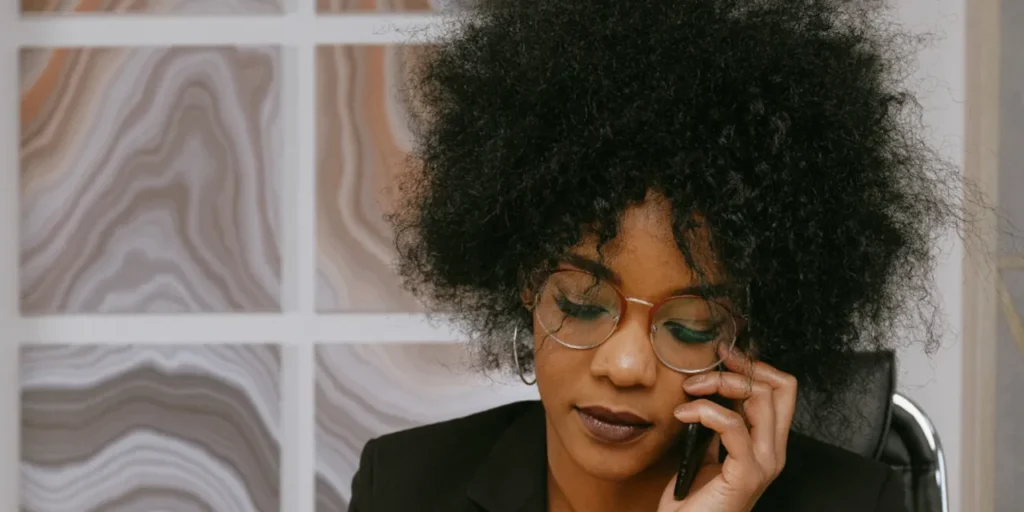
Call the hiring manager
Calling is always the best option for delivering bad news. You should try to call and cancel as soon as you can to allow for them to try to fill your timeslot. Calling is professional and adds a personal touch. This gives you more of a chance to explain, and not burn a bridge. Oftentimes, when you cancel the hiring manager will have questions as to why. So calling them allows for you to answer their questions directly.
If you are unable to reach them on the phone, or just not comfortable with it, an email will suffice. Your email should be professional, and straight to the point. Simply explain that while you appreciate the opportunity to interview, you are politely declining. Don’t make a million excuses, in most cases, this does more harm than good.
Always ensure that whatever decision you make is the best decision for you. Setting goals and reaching them is the best way to better yourself, and find satisfaction, here are tips on how to get SMART Goals.

